- May 8, 2026
- admin
- 0
Challenges, and Future Outlook
Vikas Pathak1 and Ruchi Tiwari2
Dean 1 College of Veterinary Science and Animal Husbandry, DUVASU, Mathura, UP;
2Assistant Professor, Department of Veterinary Microbiology, CoVS & AH, DUVASU, Mathura
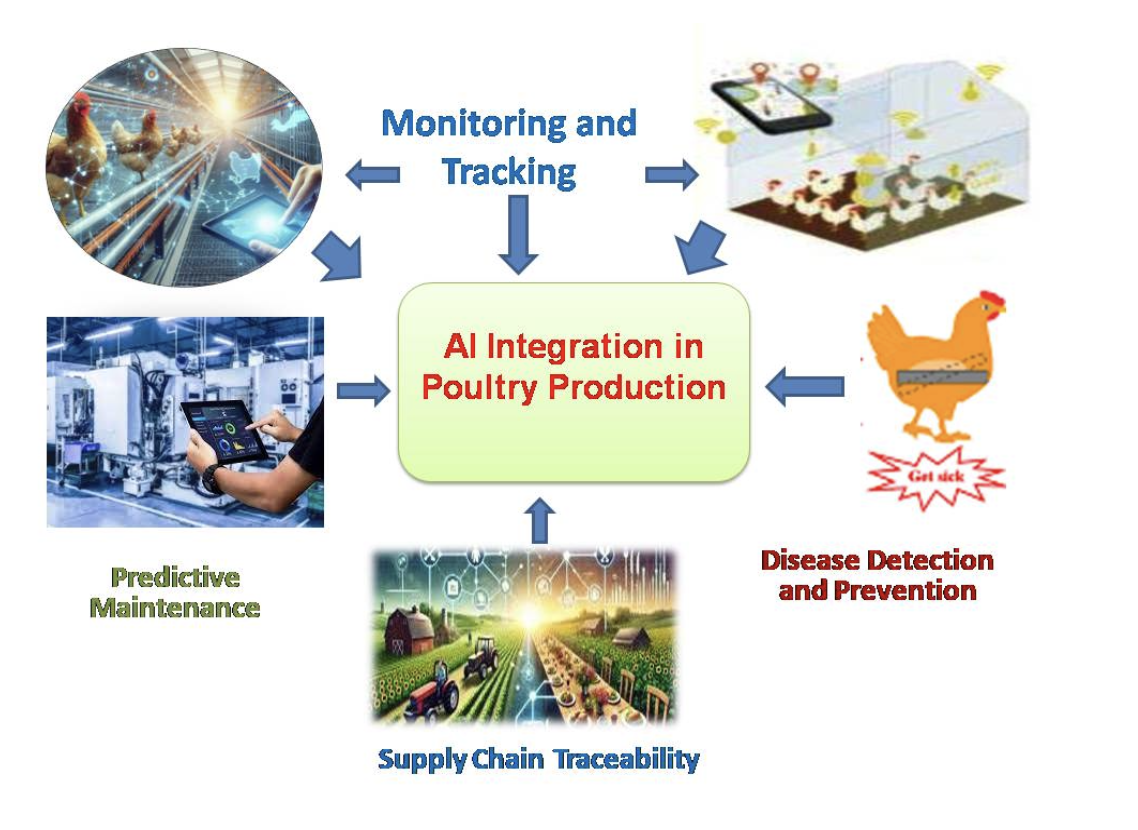
The integration of artificial intelligence (AI) in poultry production is transforming food safety practices, offering innovative solutions to enhance monitoring, disease prevention, and quality control. AI technologies, such as machine learning, computer vision, and IoT-based systems, enable real-time tracking of poultry health, environmental conditions, and feed quality, ensuring safer production processes. These advancements allow for early detection of diseases, predictive maintenance of equipment, and improved traceability throughout the supply chain. However, the implementation of AI in poultry farming also presents challenges, including high initial costs, data privacy concerns, and the need for skilled labor. Additionally, the adaptability of AI systems to varying farm conditions and the integration of new technologies into existing infrastructures remain significant hurdles. Looking ahead, the future of AI in poultry production holds promising potential, with ongoing advancements likely to improve efficiency, reduce risks, and contribute to more sustainable and safe food production practices globally.
Introduction
The artificial intelligence (AI) plays an increasingly crucial role in ensuring food safety in poultry production by improving monitoring, prediction, and management processes. Artificial Intelligence (AI) began to be applied in food safety in the early 1990s. However, the broader use of AI in food safety, especially in detecting contamination, enhancing traceability, and improving predictive models, gained significant momentum in the 2000s and 2010s. AI is becoming a key player in addressing the challenges of food safety, quality, and security through recent developments in AI technologies such as machine learning, deep learning, natural language processing, and computer vision, by their applications across the food supply chain from 1990 to 2024. AI enhances food safety by enabling real-time contamination detection, predictive risk modeling, and regulatory compliance, thus reducing health risks. It improves food quality by automating defect detection, refining shelf-life predictions, and ensuring consistency in sensory attributes like taste and texture. AI also aids food security by promoting resource-efficient farming, facilitating yield forecasting, and optimizing supply chain management for a more reliable food supply. The integration of AI with advanced food processing techniques, such as high-pressure processing and ultraviolet treatment, enhances microbial safety and product quality. Additionally, AI’s synergy with technologies like the Internet of Things (IoT), blockchain, and AI-enabled sensors improves risk management, predictive analytics, and quality control. Ultimately, AI plays a vital role in creating safer, more sustainable food systems that reinforce public health and consumer conviction.
Some of the key traditions AI contributes to food safety in poultry production include:
1. Disease Detection and Prevention in Poultry
- Early Detection of Illnesses: AI-powered systems can analyze patterns in poultry health data (such as temperature, behavior, and feed intake) to identify early signs of diseases. Machine learning models can process vast amounts of data from sensors, cameras, and even behavioral observations to detect unusual patterns that might indicate disease outbreaks, enabling quicker intervention.
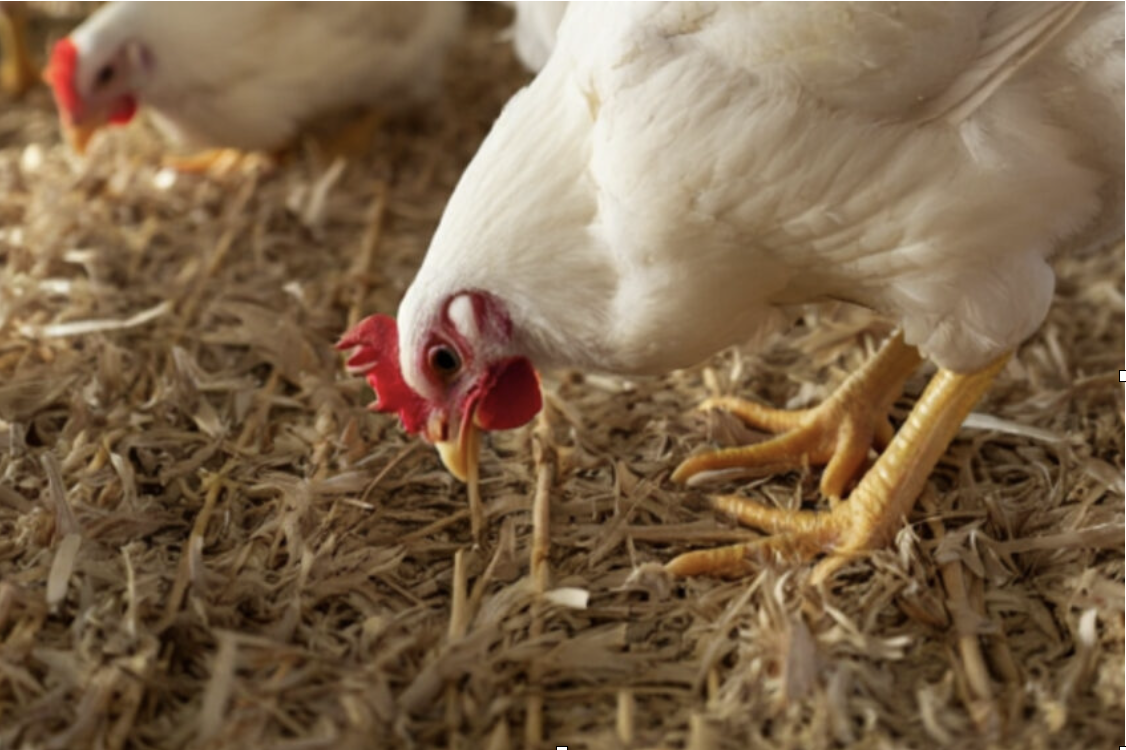
AI-powered systems play a crucial role in the early detection of diseases in poultry by analyzing a wide array of data from multiple sources. These systems can monitor physiological indicators such as body temperature, feed intake, water consumption, and movement patterns, as well as behavioral changes like lethargy or altered feeding behavior. Machine learning models process these data streams in real-time, flagging deviations from typical patterns that might indicate the onset of a disease. For instance, temperature fluctuations or changes in activity levels could signal the presence of an infection, even before visible symptoms appear. Additionally, AI can analyze data from sensors, cameras, and even audio recordings to detect coughing or unusual vocalizations, which may indicate respiratory issues. This real-time monitoring enables quicker identification of health concerns, allowing for timely intervention and reducing the spread of infectious diseases within poultry populations.
- Predictive Analytics: AI can predict the likelihood of disease outbreaks based on environmental, genetic, and health data, allowing for proactive measures like vaccination and biosecurity protocols. AI-based predictive models can further enhance disease prevention in poultry farming by forecasting the likelihood of outbreaks before they happen.
By analyzing historical data on disease incidence, weather conditions, farm management practices, and genetic profiles of poultry, AI can identify patterns and correlations that suggest an elevated risk of specific diseases. For example, certain environmental factors like temperature, humidity, or overcrowding may increase the likelihood of diseases such as avian influenza or Newcastle disease. Genetic data, on the other hand, can indicate a higher susceptibility to particular pathogens in certain poultry breeds. Predictive analytics can also factor in ongoing health trends, vaccination histories, and regional outbreaks, creating a comprehensive risk profile for a farm or poultry population. With this information, farm managers can take proactive measures, such as adjusting environmental conditions, implementing targeted vaccination campaigns, and reinforcing biosecurity measures to prevent potential outbreaks. These predictive capabilities help to not only reduce disease incidence but also lower the costs associated with large-scale outbreaks, ensuring better overall poultry health and welfare.
- Enhanced Biosecurity Measures: AI also plays a vital role in enhancing biosecurity protocols. AI-driven systems can help manage the movement of poultry and personnel within and around farms, minimizing the risk of cross-contamination. For instance, AI can track the movement of poultry from different farms or regions and identify high-risk areas where disease transmission is more likely. Automated biosecurity checks, such as monitoring the cleaning and disinfecting of equipment or enforcing quarantine measures, can be more efficiently managed using AI-powered solutions. This ensures that poultry farms adhere to best practices in preventing disease spread.
2. Monitoring Environmental Conditions
- Climate Control: AI can help monitor and optimize environmental conditions in poultry farms (such as temperature, humidity, and air quality) through IoT sensors. Proper climate control reduces stress on poultry, lowers the risk of disease transmission, and helps maintain optimal living conditions for the birds, which directly impacts food safety.
- Automated Ventilation and Lighting: AI algorithms can control systems like ventilation and lighting in poultry houses to ensure that birds are kept in optimal conditions, which helps prevent contamination and the spread of pathogens.
3. Feed and Water Quality Monitoring
- Feed Safety: AI can track and analyze the quality of feed, ensuring it meets nutritional standards and is free from contaminants such as bacteria, mold, or toxins. This can be done through sensors and AI-driven systems that detect inconsistencies or unsafe conditions in the feed supply chain.
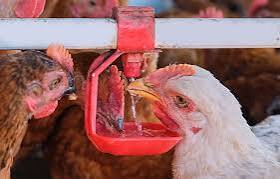
- Water Monitoring: AI-based systems can continuously monitor water quality, ensuring it’s safe and free from pathogens. For example, sensors can detect the presence of harmful microorganisms or chemicals in water, which would affect poultry health and ultimately the safety of the food produced.
4. Traceability and Supply Chain Transparency
- Integration with Internet of Things (IoT), blockchain and Sensors: AI can integrate with blockchain technology to provide real-time traceability of poultry products. This ensures that every stage of the production process, from farm to processing to distribution, is recorded and transparent. In case of a contamination or food safety issue, it becomes easier to trace the source and take appropriate action.
The effectiveness of AI in poultry disease detection is further amplified by integrating IoT devices and sensors. Wearable devices and automated monitoring systems can continuously track the health and behavior of individual birds. For example, smart collars or tags can monitor heart rate, body temperature, and movement patterns, transmitting data in real-time to AI models for analysis. These systems can also incorporate environmental sensors to track factors like air quality, humidity, and temperature, all of which influence poultry health. By combining data from various sources, AI systems can gain a more comprehensive understanding of the birds’ health and environmental conditions, facilitating early disease detection and prevention.
- Automated Surveillance and Continuous Monitoring: Machine learning algorithms can be used for continuous surveillance of poultry health by analyzing video footage and sensor data to detect early signs of disease outbreaks. Computer vision technologies can automatically scan images and videos of birds, looking for signs of abnormal behavior, such as lameness or coughing. AI systems can also identify changes in feather conditions, body posture, or eye abnormalities, which might be indicative of illness. These automated systems provide constant, non-invasive surveillance, which reduces the need for manual inspections and allows farmers to monitor the health of their flocks around the clock.
- Tracking Disease Outbreaks: In the event of a disease outbreak, AI can trace and map its spread within poultry farms and throughout the supply chain, helping to isolate affected areas and prevent further contamination.
5. Automated Inspections and Audits
- Visual Inspection Using AI: AI-powered computer vision systems can be used to inspect poultry for physical defects, contamination, or signs of diseases during slaughtering and processing. These systems can automatically detect abnormalities like lesions, skin conditions, or signs of infection, ensuring only healthy birds enter the food supply.
- Food Safety Compliance: AI can also help track compliance with food safety standards and regulations by continuously analyzing production processes and identifying areas where improvements are needed to prevent contamination risks.
6. Predictive Maintenance of Equipment
- Preventing Equipment Failures: AI can predict when machinery, such as slaughtering or processing equipment, is likely to fail or malfunction. By anticipating maintenance needs, AI can reduce the risk of food contamination that may occur due to equipment breakdowns or improper handling.
7. Consumer Health and Safety
- Microbial Risk Prediction: AI models can analyze and predict microbial risks in poultry meat, identifying potential contamination from pathogens such as Salmonella, Campylobacter, Escherichia coli (E. coli), Avian Influenza, and Newcastle Disease. By considering factors like feed composition, processing conditions, and environmental influences, these models can help predict outbreaks of Listeria monocytogenes, Clostridium perfringens, and Escherichia coli O157:H7. Early detection and prediction of these pathogens allow for better control measures during poultry processing and packaging. This reduces the likelihood of contamination, ensuring poultry products are safe for consumption and minimizing public health risks.
Challenges in usage and popularization of AI
- Data Quality and Accuracy: AI models rely heavily on accurate and high-quality data, but inconsistent or incomplete data from poultry farms can hinder effective predictions and decision-making.
- Integration with Existing Systems: Many poultry production facilities use outdated technologies that may not easily integrate with AI solutions, creating challenges in implementation and scalability.
- Cost of Implementation: While AI can offer long-term benefits, the initial investment in technology, training, and infrastructure can be prohibitively expensive for smaller farms.
- Regulatory and Ethical Concerns: There are concerns about data privacy, accountability, and ensuring that AI systems comply with regulatory standards, which can vary by region.
- Adaptability to Different Environments: AI systems may struggle to adapt to varying conditions across different farms, such as climate, production methods, or scale, limiting their universal application.
- Technical Expertise: The use of AI in food safety requires specialized knowledge, and there may be a shortage of trained professionals who can design, implement, and maintain these systems effectively
- Enhancing Poultry Food Safety: AI plays a vital role in poultry production by detecting contamination risks and improving traceability throughout the supply chain, ensuring the delivery of safe poultry products to consumers.
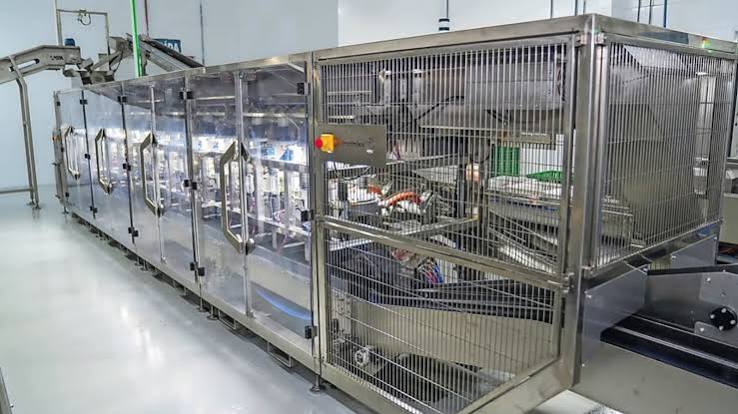
- Optimizing Poultry Processing: AI-driven technologies are optimizing poultry processing methods by reducing waste, improving operational efficiency, and ensuring higher quality products within the poultry industry.
- AI for Global Poultry Food Security: Future AI innovations will focus on developing scalable, cost-effective solutions that enhance food security and sustainability in poultry production, making
Conclusion & Recommendations for Future outlook in Poultry Production and Food Safety:
AI is revolutionizing food safety in poultry production by enabling more accurate monitoring, better disease management, enhanced traceability, and improved overall operational efficiency. By involving AI technologies, poultry producers can not only reduce the risks of contamination but also improve animal welfare and meet consumer demand for safer, higher-quality food. By utilizing AI in poultry disease detection and prevention, farmers can not only improve animal welfare but also increase productivity and reduce the economic losses associated with disease outbreaks. AI’s ability to analyze vast amounts of data in real-time and predict potential health risks creates a more proactive, efficient, and sustainable approach to poultry health management. By aligning AI innovations with the strategic objectives, we can ensure safer, more efficient, and sustainable global food systems, ultimately benefiting consumers for the future with the following recommendations.
- Invest in AI for Contamination and Disease Detection: Investments should be made in AI technologies that enable real-time detection of contamination risks and diseases in poultry, improving food safety and preventing outbreaks.
- Adopt AI to Improve Processing Efficiency: The poultry industry should focus on scaling AI applications that optimize processing methods, reduce waste, and improve overall productivity while maintaining high standards of food safety and quality.
- Develop Scalable AI Solutions for Sustainable Poultry Production: Future AI advancements should aim at creating scalable, cost-effective solutions that address both food safety and sustainability challenges in poultry production, ensuring long-term food security globally.