- February 24, 2026
- GlObeX
- 0
The issue of food security is one of the most pressing global challenges of the 21st century. With a rapidly growing global population, expected to reach 9.7 billion by 2050, and climate change disrupting traditional agriculture, there is an urgent need for sustainable and scalable solutions to ensure that everyone has access to nutritious food. Among potential answers, chickens emerge as a compelling and realistic option
for tackling future food security challenges.
Why Chickens?
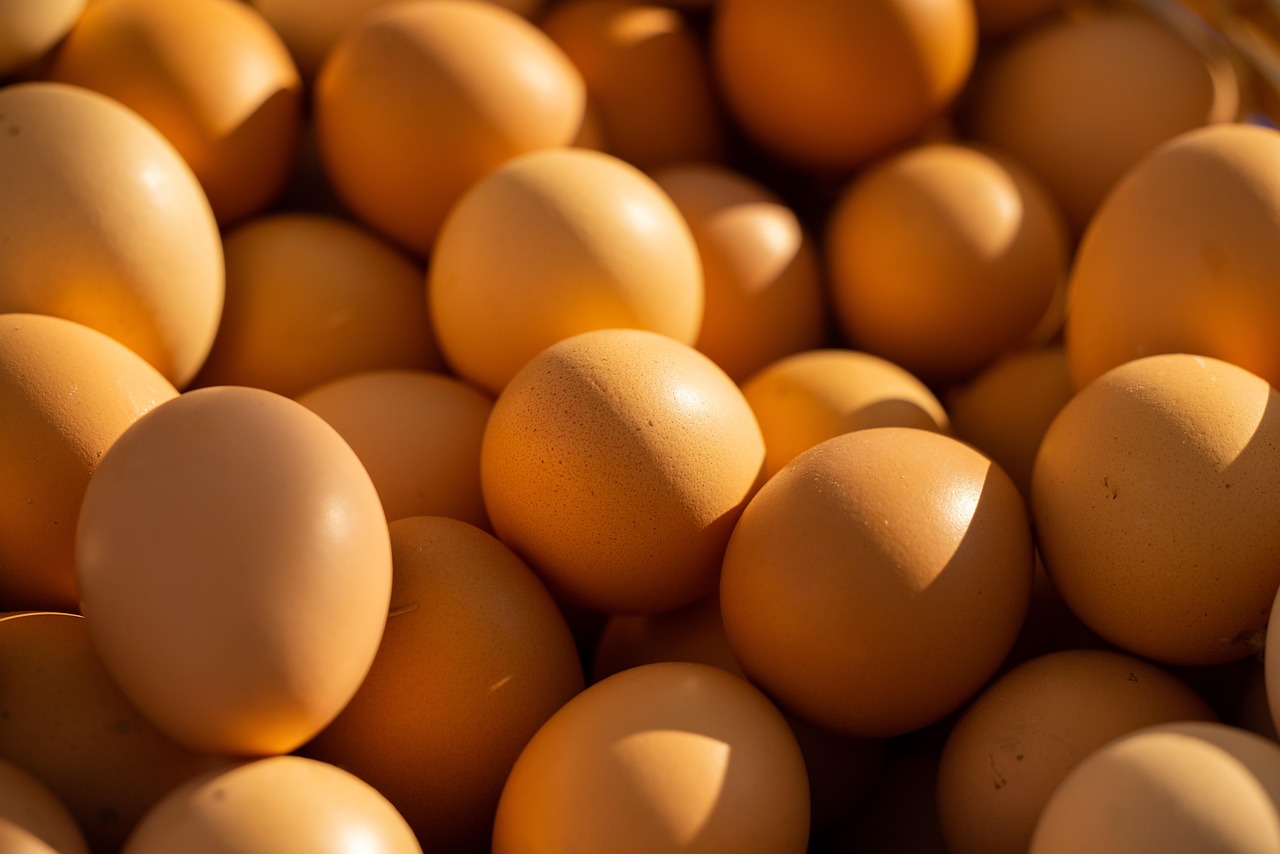
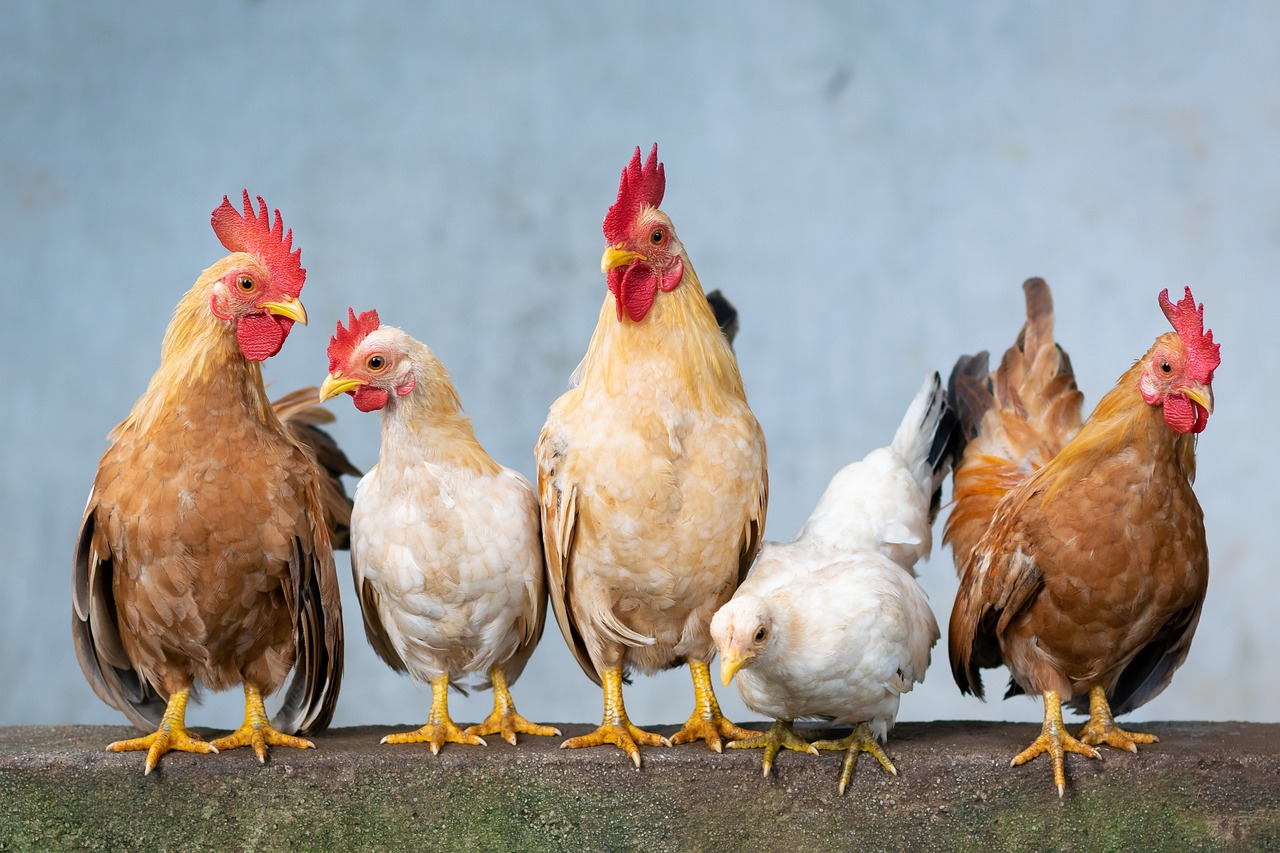
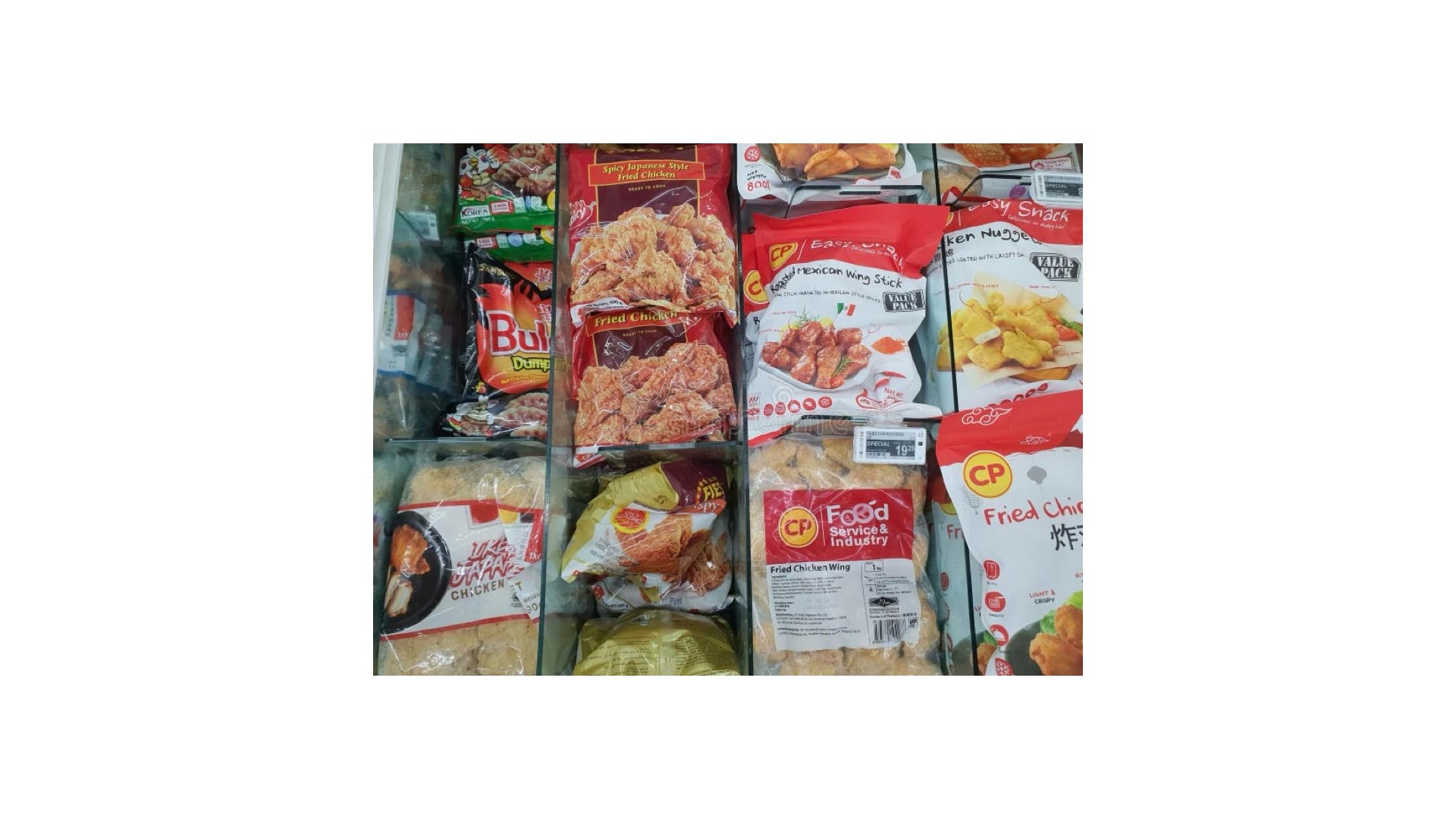
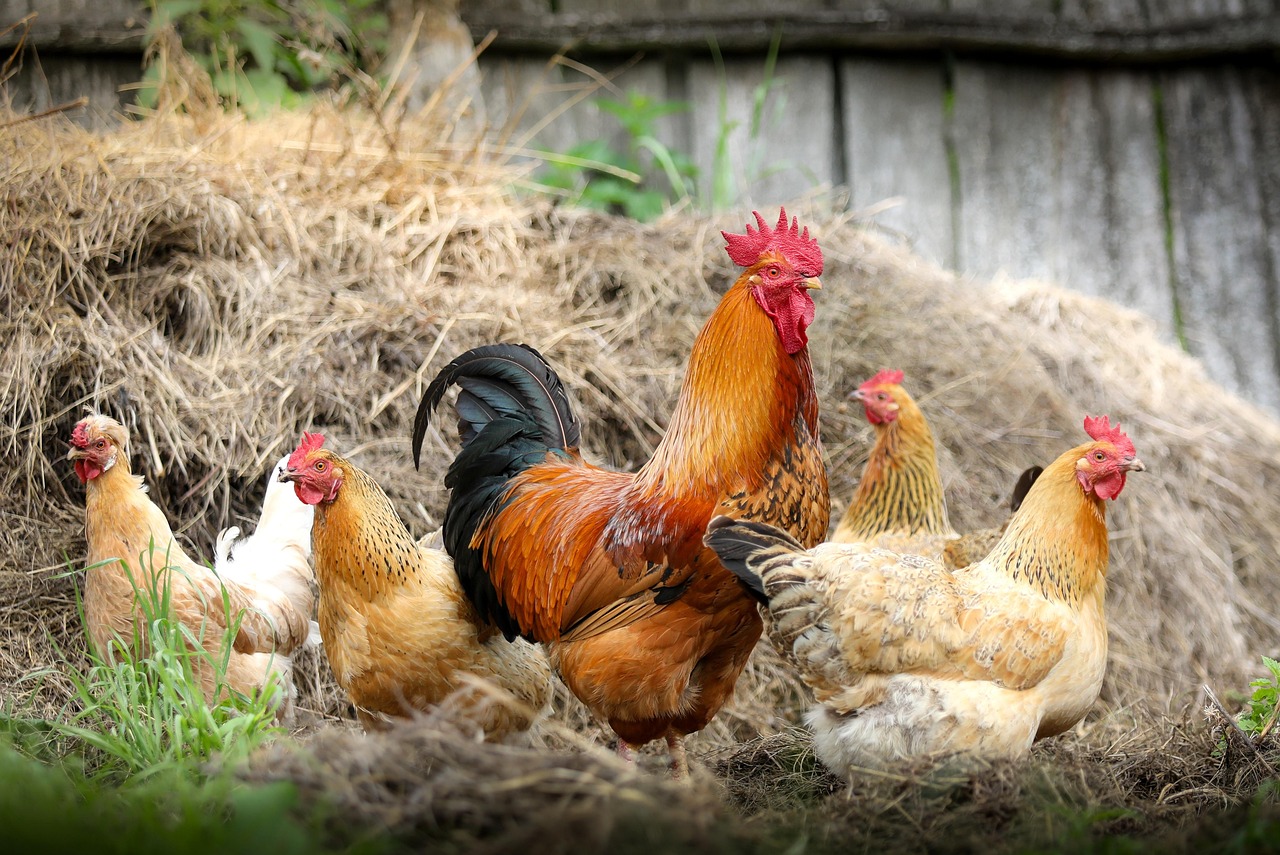
Chickens are one of the most versatile and resource-efficient sources of food. They provide two major food staples: meat and eggs, both of which are rich in protein and essential nutrients. Compared to larger livestock such as cows and pigs, chickens require significantly fewer resources to rear. They grow quickly, reproduce efficiently, and thrive in diverse climates, making them suitable for both rural and urban settings.
Low Resource Requirements
Chickens have a relatively small ecological footprint. They consume less water and feed per unit of protein produced compared to other livestock. In developing countries, where resources are often scarce, chickens can be reared on a diet of kitchen scraps and locally available grains, reducing dependence on commercial feed.
Rapid Reproduction and Growth
Chickens have a short reproductive cycle and reach maturity within a few months, enabling a quick turnaround for meat and egg production. This rapid growth cycle is particularly beneficial for addressing immediate food shortages or boosting incomes in vulnerable communities.
Adaptability to Climate Change
Climate change has been causing disruptions in traditional farming practices. However, chickens are highly adaptable to various climates and can be raised in controlled environments, ensuring consistent production even in adverse weather conditions.
Role in Rural Development
In rural areas, chicken farming can play a vital role in improving food security and reducing poverty. Small-scale poultry farming requires minimal investment and provide a steady income stream through the sale of eggs and meat. Moreover, backyard poultry farming empowers women, who often take charge of household-level poultry rearing, contributing to both family nutrition and economic independence.
A Solution for Urban Areas
As urban populations grow, chickens offer a feasible solution for urban food systems. Urban farming initiatives that include raising chickens on rooftops or in community spaces can provide fresh, locally sourced eggs and meat. This reduces reliance on long supply chains and minimizes food waste, making cities more self-sufficient.
Challenges to Consider
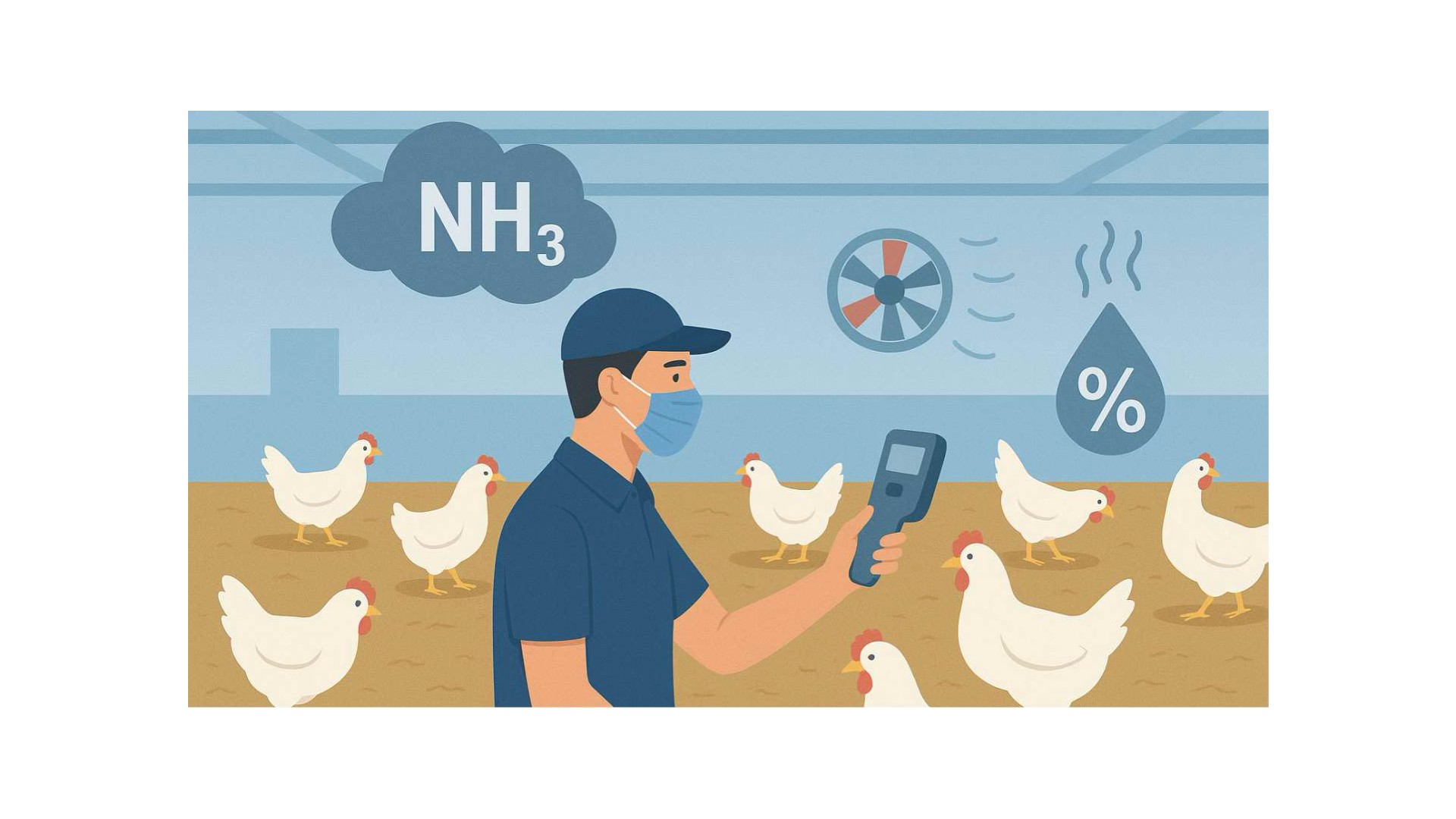
Despite their potential, the widespread adoption of chickens as a primary solution to food security is not without challenges. Disease outbreaks, such as avian influenza, can threaten poultry populations and disrupt supply chains. Sustainable practices must be employed to avoid overreliance on antibiotics or overcrowding in factory farms, which can lead to environmental degradation and ethical concerns.
Additionally, education and training are essential to help small-scale farmers and urban dwellers adopt best practices in poultry farming. Governments and NGOs must also ensure that infrastructure, such as access to veterinary services and affordable feed, is in place to support poultry farming initiatives.
The Way Forward
To fully harness the potential of chickens in ensuring food security, a multi-pronged approach is necessary:
- Policy Support: Governments should encourage poultry farming through subsidies, infrastructure development, and research on disease-resistant breeds.
- Education and Training: Communities should be educated on sustainable and hygienic poultry farming methods to maximize productivity and minimize risks.
- Integration with Other Systems: Poultry farming can be integrated with other agricultural systems, such as using chicken manure as a natural fertilizer for crops, creating a circular food production system.
Conclusion
Chickens offer a sustainable, adaptable, and resource-efficient solution to the global challenge of food security. By leveraging their potential, particularly in regions vulnerable to food shortages, chickens can provide a reliable source of nutrition while also fostering economic growth and resilience against climate change. With the right policies and practices, chickens could indeed play a pivotal role in feeding the world’s growing population in the years to come.