- March 19, 2026
- GlObeX
- 0
Heavy Metal Removal from Livestock Manure: A Scientific Approach
Livestock manure contaminated with heavy metals presents substantial environmental and agricultural risks when utilised as organic fertiliser, prompting the need to advance effective removal strategies. Chinese scientists have now found a way to reduce such heavy metals in livestock and poultry faeces.
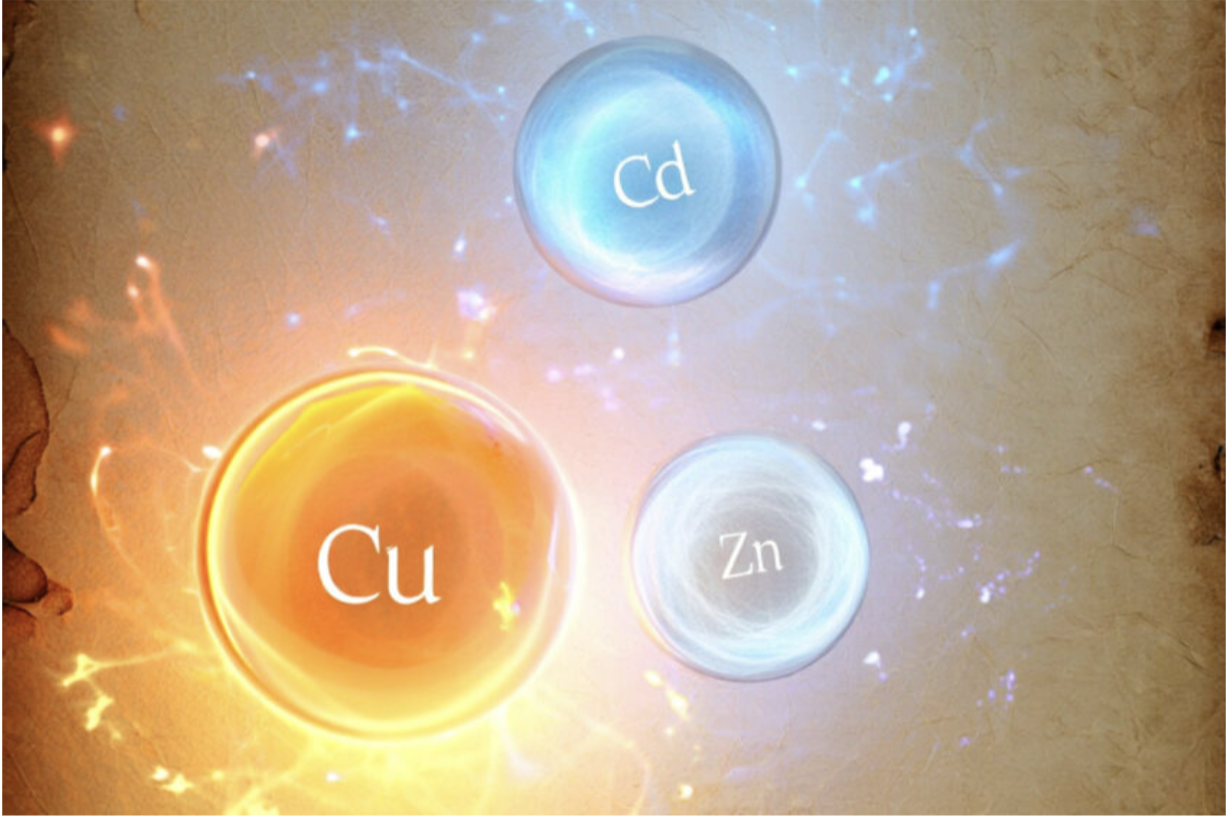
The research team, led by academics at the Chinese Academy of Tropical Agricultural Sciences, carried out a study that introduced an innovative combined technology integrating leaching and electrokinetic remediation with a permeable reactive barrier (EKR-PRB). The aim was to use this as an efficient elimination of cadmium (Cd), copper (Cu) and zinc (Zn) from manure.
🔬 Methodology
The proposed methodology encompasses 2 sequential stages.
Initially, Na₂EDTA leaching is employed to extract heavy metals from the manure, followed by electrolysis of the resultant leachate utilising the EKR-PRB system.
Under optimised conditions – specifically:
A Na₂EDTA concentration of 0.01 mol·L⁻¹
A solid-to-liquid ratio of 1:5
A stirring duration of 21 minutes
The removal efficiencies for cadmium, copper, and zinc from the solid phase were measured at:
Cadmium (Cd): 45.6%
Copper (Cu): 34.1%
Zinc (Zn): 45.4%
⚗️ Post-Treatment Conditions
The pH of the treated manure remained within the neutral to weakly alkaline range, making it suitable for subsequent composting processes.
In the subsequent electrolysis stage, the application of a voltage gradient of 1 V·cm⁻¹ over a period of 60 hours led to a significant reduction in metal concentrations within the leachate.
Specifically:
Cadmium levels were reduced by 99%
Copper by 40%
Zinc by 72%
The treated leachate was found to comply with the heavy metal limits stipulated by the NY/T 2065–2011 standard, thereby confirming its safety for agricultural applications.
🌱 Results and Effectiveness
The combined leaching-EKR-PRB technology demonstrated efficacy across various manure types and concentrations, highlighting its broad applicability in mitigating heavy metal contamination.
Additionally, bioassays conducted to assess phytotoxicity revealed that neither the treated manure nor the leachate exerted adverse effects on seed germination.
✅ Conclusion
Overall, this study provides a sustainable and effective approach for reducing heavy metal contamination in livestock manure, thereby enhancing agricultural safety and environmental protection.