- September 19, 2026
- admin
- 0
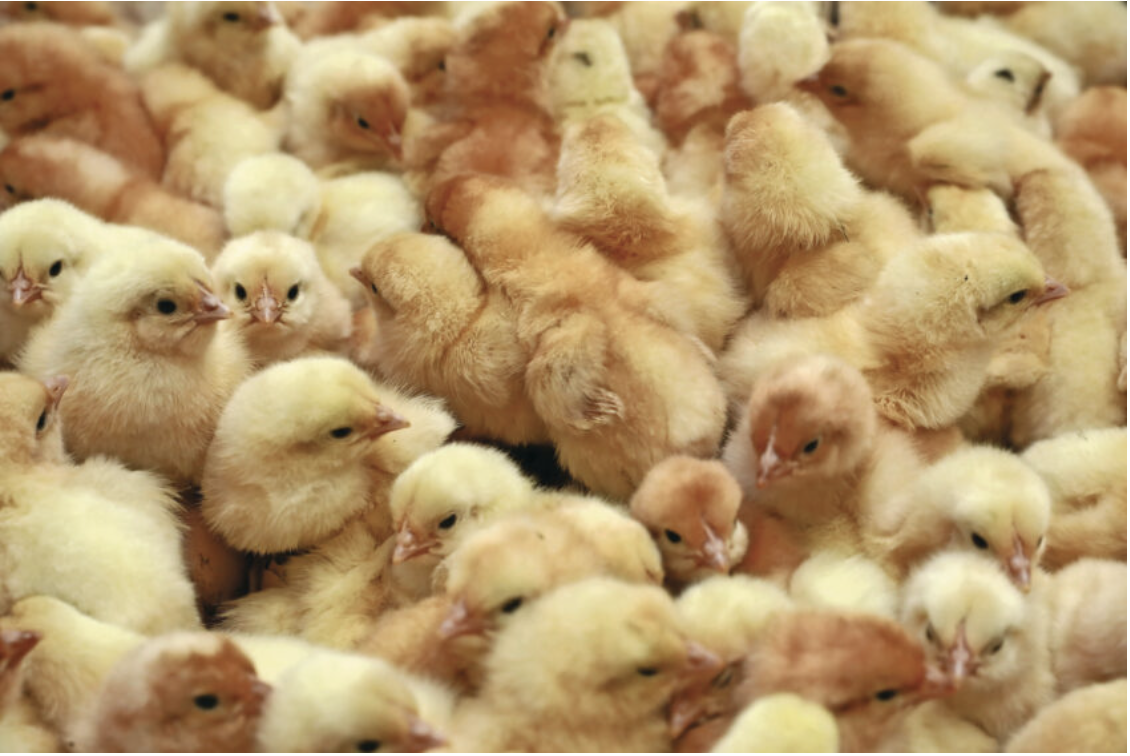
The first 100% Brazilian artificial intelligence (AI)-based system for sexing broiler chicks in hatcheries is now in operation at Pluma Agroavícola, one of the country’s leading poultry genetics companies.
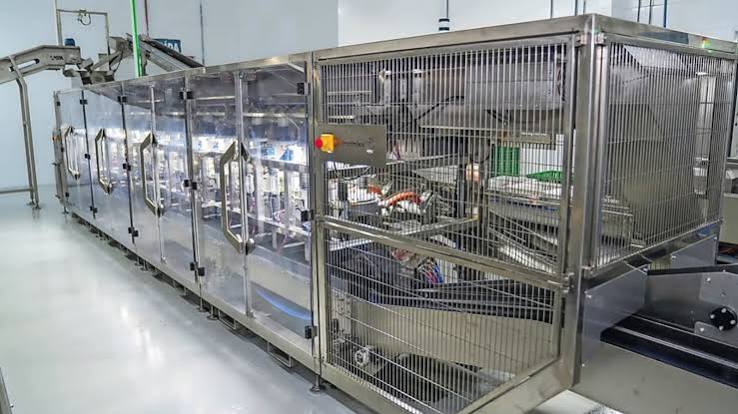
Called HatchFlex, the system was developed by the Brazilian company SmartPixel and combines artificial intelligence, computer vision, industrial automation and high-precision optical systems to quickly, consistently and reliably identify the sex of chicks.
According to Lauri Paludo, president of Grupo Pluma, the implementation represents another major step forward for the company.
“We continuously invest in technology, modernisation and process improvement because we believe this is the path to maintaining the excellence of our products and the competitiveness of our operation,” he said.
According to Décio Luiz Goldoni, hatchery manager at Pluma Agroavícola, the HatchFlex system represents a significant transformation for the company’s operations.
“We are talking about state-of-the-art technology that brings greater accuracy to the chick sexing process. In addition to productivity gains, automation helps improve working conditions for our teams and reinforces our commitment to quality at every stage of production.”
Another distinguishing feature of the system is its focus on animal welfare. The project was developed to meet stringent international welfare standards, ensuring birds are handled safely and carefully throughout the process.
Brazilian Technology
The system uses industrial cameras and advanced AI algorithms that analyse images in real time, delivering greater accuracy and consistency than conventional methods.
Installed at Pluma Agroavícola’s hatchery in Dois Vizinhos, in south-west Paraná State, the system is the first of its kind in Brazil and features 2 independent sexing modules.
Each module can process an average of 20,000 chicks per hour, providing a combined capacity of around 40,000 chicks per hour. Over a 7-hour operating period, the system can process about 280,000 chicks.
Launched during VIV Europe, the innovation was developed entirely in Brazil and is protected by patents registered in more than 28 countries. The company also has a unit operating in Spain.
SmartPixel has partnered with animal health company Hipra to expand the system’s global reach. This international presence is expected to help take the technology beyond Brazil while providing long-term technical support for customers.
Accuracy Rate
According to SmartPixel, the system achieves 99% accuracy, with technical validation tests recording rates of up to 99.5%, significantly outperforming results typically achieved by trained human operators.
In addition to increased accuracy, automation improves flock uniformity, reduces the need for specialised labour, minimises errors and contributes to better animal welfare.
Because each chick is analysed individually, the system also allows verification and reprocessing when necessary, reducing bird stress during handling.
By comparison, while the Brazilian market generally considers a manual sexing accuracy rate of around 95% satisfactory, rates below 70% can still be observed for smaller or more difficult-to-classify chicks. Even in these cases, the machine consistently achieves accuracy levels above 97%.
Rooted in Poultry Production
The technology is the result of years of AI research that began in 2007 during the master’s degree studies of SmartPixel’s chief technology officer Ricardo Antanello and was later directed towards industrial applications from 2015.
“We grew up in a region where poultry farming is part of everyday life. Since childhood, we have lived alongside this industry, and that helped us identify real problems that could be solved through technology,” said Antanello.
According to administrative director Luan Schmidt, the company’s strategy is to gradually expand its international presence while maintaining its focus on applications that improve the efficiency and competitiveness of agricultural production.
Traceability
In addition to increasing productivity, the new technology provides greater traceability, standardises processes and strengthens quality control throughout the production chain.
Automation also improves working conditions by reducing repetitive tasks and enabling employees to focus on monitoring and managing production processes.
According to Paludo, implementing the technology reinforces the company’s commitment to efficiency, quality, animal welfare and building an increasingly modern and sustainable poultry industry.
Leader in Hatching Eggs
Founded in 1999, Pluma Agroavícola is Latin America’s largest supplier of hatching eggs and broiler chicks. The company places more than 6 million breeder hens annually and produces over 90 million hatching eggs, while marketing around 40 million broiler chicks each month.
Its genetic stock is distributed across 8 Brazilian states and the Federal District.
Pluma also accounts for around 30% of Brazil’s total hatching egg exports, supplying markets including Mexico, Paraguay, Africa and the Middle East.
For more than 7 years, Pluma Agroavícola has supplied embryonated eggs to the Butantan Institute for the production of influenza vaccines, including H1N1 and its variants.